Finding a Licensed Site to Play for Real Money
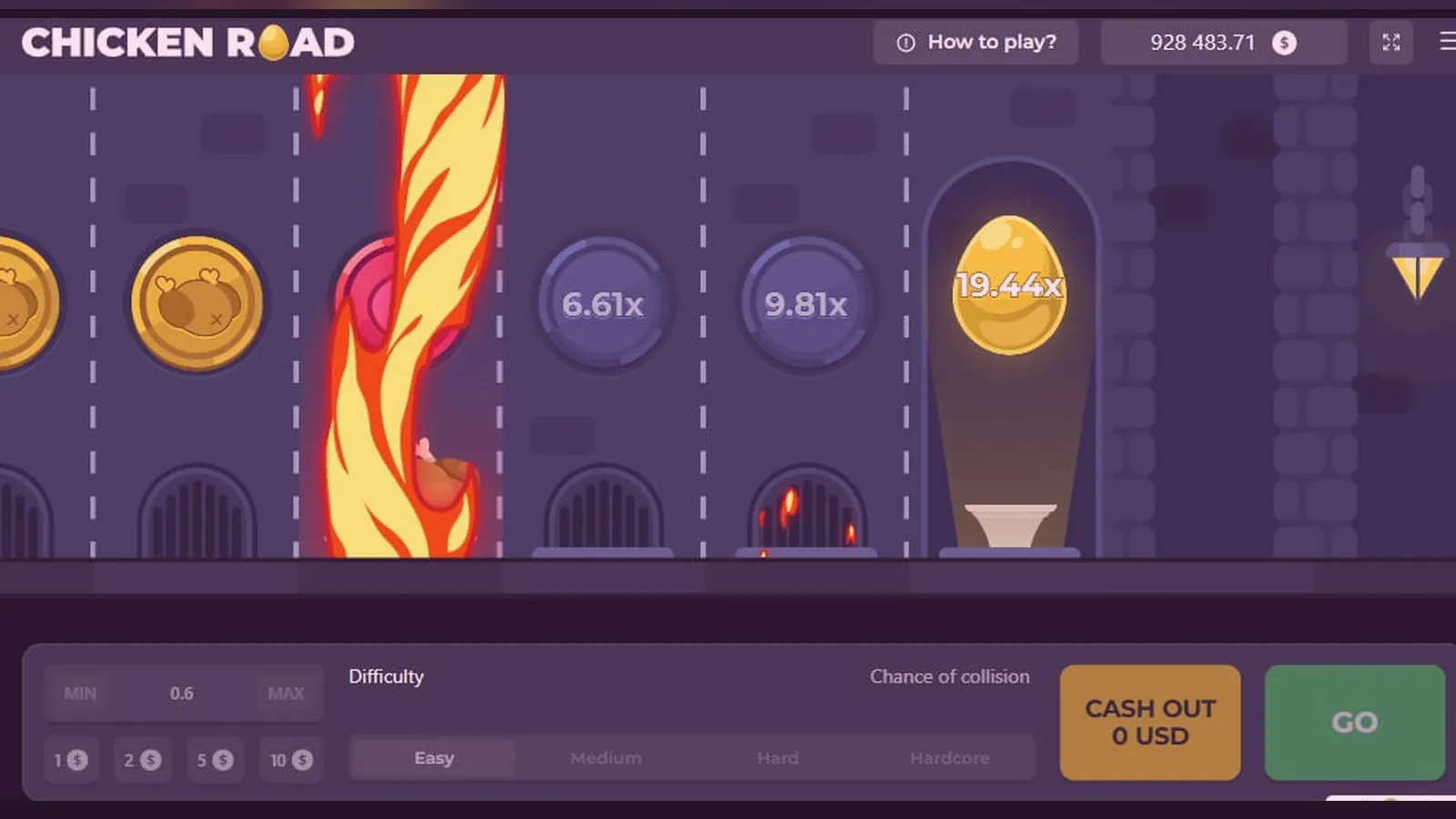
The game lets you cash out at any moment before the chicken meets a hazard — but in the United Kingdom, the stake you risk on each round is capped at £5.00 if you are over 25, or £2.00 if you are 18 to 24. That is not the developer's rule; it is a slot-stake limit imposed by the UK Gambling Commission in April 2019, and it applies to Chicken Road 2 because the UKGC classes crash games as slots for regulatory purposes.
Real-money play is legal here, provided the operator holds a UKGC remote gambling licence. Every site serving British players must carry that licence number in the footer and appear in the Commission's public register. Unlicensed sites cannot legally advertise in the UK, and using one puts your balance outside the regulator's protections. This page explains what the UKGC licensing regime actually changes for you when you play Chicken Road 2, which local payment methods work, how long withdrawals take, and what to check before you sign up.
What the UKGC Licence Means in Practice
A remote gambling licence is not a rubber stamp. The UKGC enforces stake limits, mandatory deposit caps, and affordability checks that kick in when your net deposits reach £150 in a rolling 30-day window. At that threshold, the operator pulls credit-reference data — not a full bank statement yet, but enough to flag spending that looks out of line with your reported income. The second stage, which can include a manual review of payslips or bank records, starts higher up, but the £150 floor is the one that catches most players off guard.
For Chicken Road 2, that means two things. First, your stake is capped at £5.00 a round if you are over 25, or £2.00 if you are 18 to 24; the operator verifies your age when you register. Second, if you deposit £50 a week for three weeks, you will hit the affordability threshold and the site will ask you to confirm your income before you can deposit again. The process is not instant — expect 24 to 48 hours for a response — so plan accordingly if you are close to the limit.
Credit cards have been banned for gambling since April 2020, so you will deposit by debit card, e-wallet, or Open Banking. The payment method must be in your own name; third-party deposits are blocked. Winnings are tax-free for you — the operator pays a 40% Remote Gaming Duty, raised in April 2026 — but that is invisible at the player level.
Four Operators That Carry the Game (Examples Only)
The list below names four UKGC-licensed operators that host Chicken Road 2. They are market examples, not endorsements, and terms change weekly. Check the site directly before you deposit.
| Operator | Strong Point | Weak Point | |
|---|---|---|---|
| Casumo | Faster Payments withdrawals land same-day if you request before 14:00 GMT | Affordability checks start earlier than some rivals — around £100 net deposit | → |
| Unibet | Entire game library available in demo mode to logged-in, age-verified accounts | Withdrawal times stretch to 48 hours on weekends because the finance team works Monday to Friday | → |
| PartyCasino | Stakes saved per game — if you set £2.00 on Chicken Road 2, it stays at £2.00 next session | Bonus contribution for crash games is 10%, so a £50 bonus needs £500 in crash-game stakes to clear | → |
| Grosvenor | Long-standing high-street brand; customer service answers the phone, not just live chat | Game library smaller than pure-online competitors; some new releases arrive a month late | → |
Every one of those sites will ask for ID before your first withdrawal — passport or driving licence, and a recent utility bill or bank statement showing your address. The documents go to a compliance team, not an algorithm, so allow 24 to 48 hours. Some operators also verify your age at sign-up using credit-reference data; if that check fails, you will need to upload ID before you can deposit.
Choosing a Site: The Checklist That Matters
Before you hand over your debit-card details, run through this list. It is not exhaustive, but it covers the mistakes people actually make.
- Look up the operator in the UKGC public register — search by company name or licence number — and confirm the licence is active. The number in the footer should match the register entry exactly.
- Check whether the site offers demo play for crash games without a deposit. Many UKGC operators restrict free play to logged-in, age-verified accounts, which means you verify your age before you try the game.
- Read the bonus terms if you plan to use a welcome offer. Crash games often contribute 10% to 20% of each stake towards wagering requirements, so a £50 bonus with 35× wagering and 10% contribution needs £17,500 in total stakes — or £1,750 in crash-game stakes — to clear.
- Compare withdrawal times for your preferred method. E-wallets like PayPal clear in a few hours to 24 hours. Faster Payments to your bank account usually land same-day to two working days. Debit-card withdrawals take one to three working days, and the first one will always be slower because of document checks.
- Confirm the stake cap matches your budget. If you are 18 to 24, the £2.00 maximum per round is non-negotiable across all UKGC sites. Over-25s get £5.00. There is no way around it short of waiting until your 25th birthday.
- Look for tools like deposit limits, loss limits, and session timers in the account settings. UKGC operators must offer them, but the interface quality varies — some sites bury the controls three menus deep.
Registration, Deposit, and Finding the Game
The process is standard across UKGC sites, with minor variations in the order of steps. Here is the sequence you will follow.
- Go to the operator's site and click the registration button — usually labelled «Join» or «Sign Up». You will enter your name, date of birth, address, email, and phone number. Some sites run an instant age-verification check using credit-reference data; if that passes, you can deposit immediately. If it fails, you upload ID before the account activates.
- Set a deposit limit during registration. The form will ask you to choose a daily, weekly, or monthly cap. This is mandatory — you cannot skip it — so pick a figure that fits your budget. You can lower the limit at any time; raising it triggers a 24-hour cooling-off period.
- Verify your email address by clicking the link in the confirmation message. Some operators also send an SMS code to your phone.
- Log in and go to the cashier or deposit page. Choose your payment method — debit card, PayPal, Apple Pay, paysafecard, or Open Banking. Enter the amount and confirm. Deposits land instantly, but the payment must be in your own name or the transaction will be rejected.
- Find Chicken Road 2 in the game library. It usually sits under «Crash Games», «Instant Games», or «Other Games» rather than «Slots», though the UKGC treats it as a slot for stake-cap purposes. Some sites have a search bar; type the name and filter by provider if the library is large.
- Set your stake — remember the £5.00 or £2.00 cap — and start a round. The game plays in the browser; you do not need to download an app, though some operators offer a web-app shortcut for your phone's home screen.
When you want to withdraw, go back to the cashier and request a payout. The first withdrawal always takes longer because the compliance team reviews your documents — 24 to 48 hours is normal. Subsequent withdrawals are faster: e-wallets clear in hours, Faster Payments in a day or two, debit cards in one to three working days. The operator cannot send money to a different payment method from the one you deposited with, so if you deposited by debit card, your withdrawal goes back to that card.
What Changes for Chicken Road 2 Specifically
The stake cap is the obvious one: £5.00 per round if you are over 25, £2.00 if you are 18 to 24. That limit applies to every round individually, so you cannot split a larger stake across multiple auto-cash-out levels or store up stakes for a bigger bet later. The game interface enforces the cap; you will not see a stake selector that goes higher.
Bonus contribution is the second variable. Most UKGC operators count 10% to 20% of crash-game stakes towards wagering requirements, compared to 100% for slots. A £50 bonus with 35× wagering needs £1,750 total; at 10% contribution, that is £17,500 in crash-game stakes. If you plan to clear a bonus by playing Chicken Road 2, read the terms and do the arithmetic before you accept the offer. Some players skip the bonus entirely because the wagering is impractical for crash games.
Availability is rarely an issue — Chicken Road 2 appears on most UKGC sites that carry a broad instant-game library — but a handful of operators restrict crash games to players who have completed a short responsible-gambling quiz or set a loss limit. That is not a UKGC rule; it is a voluntary measure some sites adopt. If the game is greyed out when you log in, check the account settings for a quiz or limit requirement.
FAQ
Can I play Chicken Road 2 for free in the UK?
Demo play is available on many UKGC-licensed sites, but most restrict it to logged-in, age-verified accounts rather than allowing anonymous free play. You will create an account and pass the age check — usually instant, using credit-reference data — before you can load the demo. A few operators skip the demo entirely for crash games and only offer real-money play.
Why is my stake capped at £2.00 when I am over 18?
The UKGC introduced two stake tiers in 2019: £2.00 per spin for players aged 18 to 24, and £5.00 for players 25 and over. Crash games fall under the slot-stake rules, so the cap applies to Chicken Road 2. The operator verifies your age when you register; if you are 18 to 24, the game interface will not let you stake more than £2.00 a round. Once you turn 25, the cap rises to £5.00, but you may need to contact support to update your date of birth in the system.
How long does the first withdrawal take?
Allow 24 to 48 hours for the compliance team to review your ID and address documents. Once that clears, the payment itself takes a few hours for e-wallets, same-day to two working days for Faster Payments to your bank, or one to three working days for a debit-card refund. Subsequent withdrawals skip the document stage and clear faster, but the first one is always the slowest.
What happens if I reach the £150 affordability threshold?
When your net deposits hit £150 in a rolling 30-day window, the operator pulls credit-reference data to check whether your spending aligns with your income. If the data raises a flag, the site will ask you to confirm your income — sometimes just a declaration, sometimes supporting documents like payslips or bank statements. You cannot deposit again until the check completes, which usually takes 24 to 48 hours. The threshold is £150 net, so if you deposit £200 and withdraw £60, you have £140 net and stay under the limit.